Why Custom Hotel Furniture Matters in Modern Hospitality Projects
Modern hospitality projects are increasingly shaped by brand identity, guest expectations, and the need for more distinctive interior experiences. In this environment, custom hotel furniture has become an important part of hotel development rather than an optional upgrade. From luxury hotels to boutique properties and serviced apartments, customized furniture helps projects achieve stronger visual consistency, better usability, and a more refined guest environment.
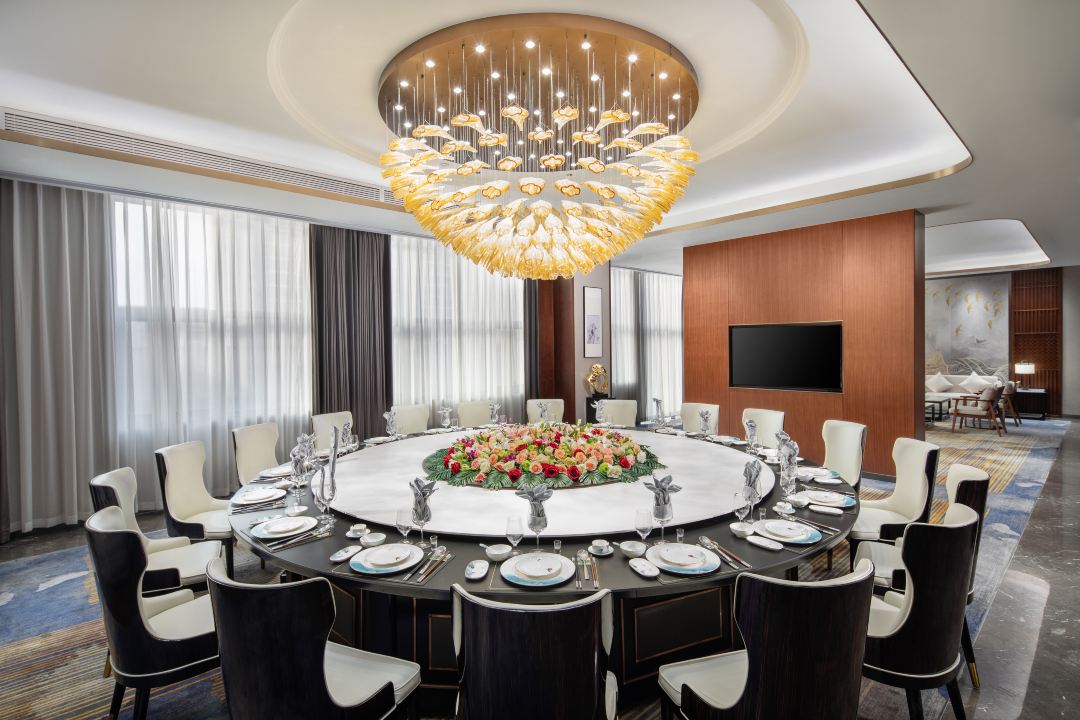
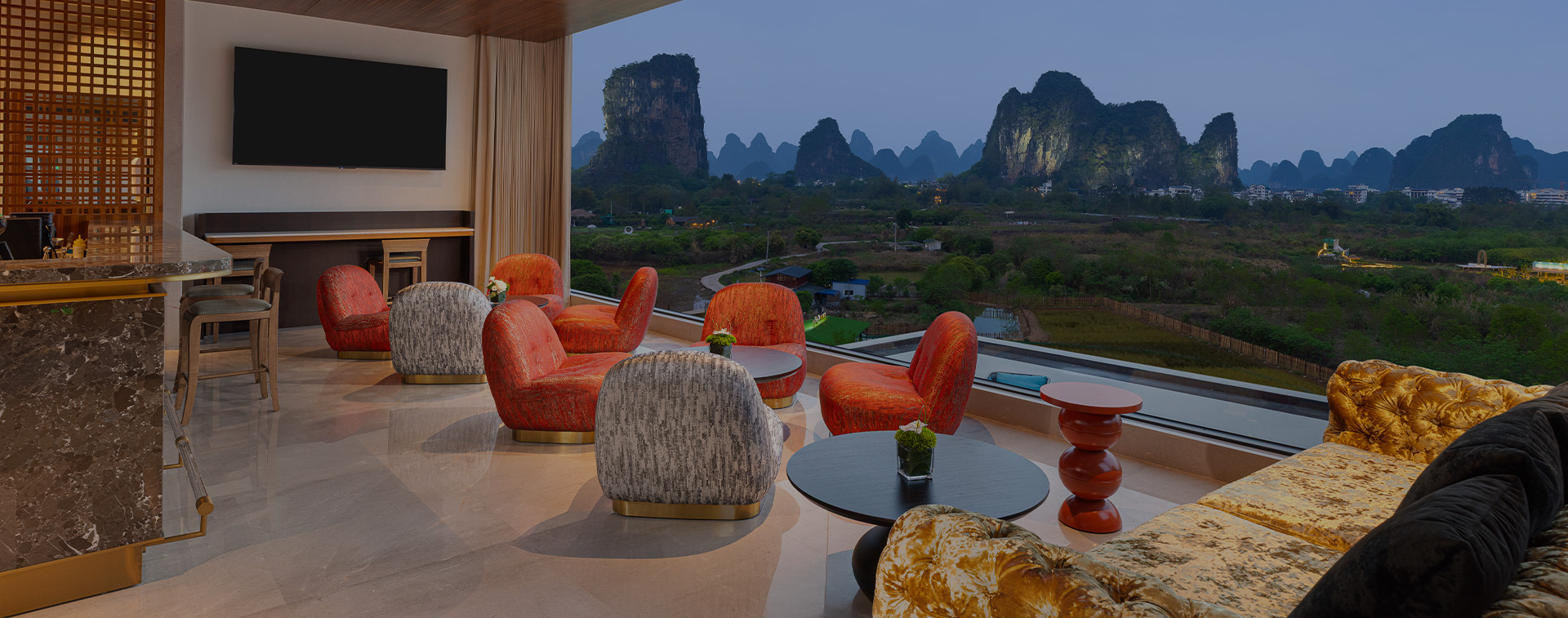
One of the main reasons custom hotel furniture matters is design consistency. Hotels are no longer judged only by location and service. Guests also pay attention to atmosphere, comfort, and how the space feels as a whole. Standard furniture products often create limitations when trying to achieve a specific interior concept. Customized furniture allows designers and developers to align dimensions, finishes, materials, and forms with the project’s architecture and design language. This makes the guestroom, restaurant, lobby, and public areas feel more coordinated and intentional.
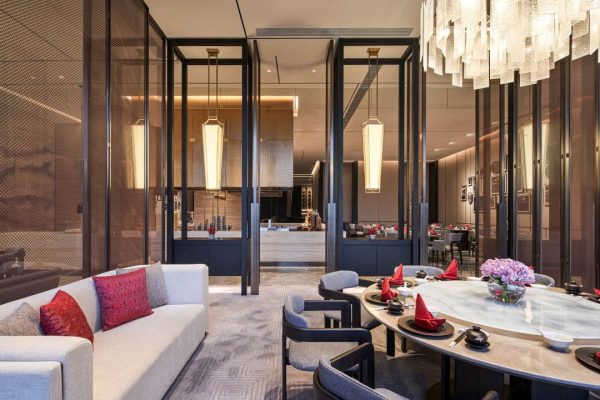
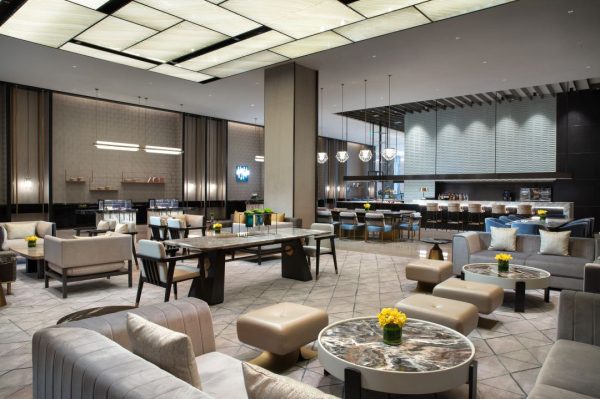
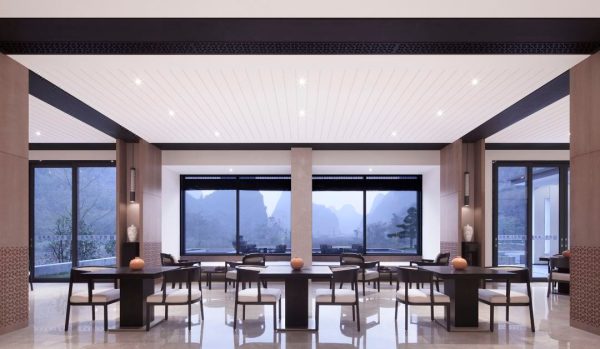
Custom furniture is also valuable because hotel spaces have unique functional requirements. Guestrooms often need furniture that balances comfort, storage, circulation, and durability within a limited layout. Restaurant furniture must support dining comfort, efficient movement, and repeated use. Lobby furniture needs to support waiting, social interaction, and visual presentation. These demands vary from project to project, and standard products do not always fit them well. Customization allows furniture to respond more precisely to the actual space and its intended use.
Brand positioning is another reason custom hotel furniture is important. Luxury hospitality brands, boutique concepts, and design-led properties all rely on a strong sense of identity. Furniture contributes directly to that identity. A custom headboard, wardrobe layout, lounge chair design, or dining table finish can reinforce the project’s character more effectively than generic pieces. In competitive hospitality markets, these details help create a stronger impression and a more memorable guest experience.
Durability is another major consideration. Hotel furniture is used more intensively than residential furniture. Beds, desks, sofas, dining chairs, and public area seating need to handle continuous use while maintaining quality and appearance. A custom furniture approach allows the project team and manufacturer to choose more suitable materials, finishes, and construction methods based on expected use. This improves long-term performance and can reduce maintenance and replacement costs.
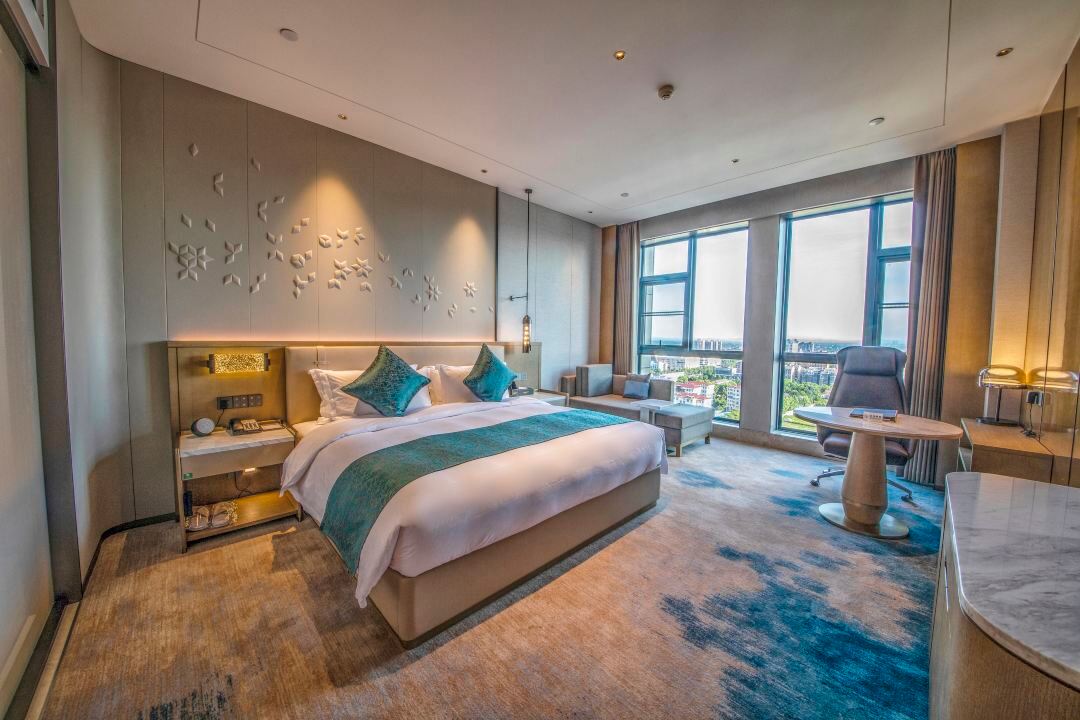
Custom hotel furniture also improves project flexibility. Every hotel project has different room layouts, space dimensions, and operational priorities. Some projects emphasize storage. Others prioritize open layouts or design impact. Some require stronger material resistance or specific maintenance considerations. Customization allows furniture development to respond directly to these conditions rather than forcing the project to adapt to fixed product standards. This flexibility is particularly useful in renovation projects, where existing structures create tighter design constraints.
Another advantage of custom hospitality furniture is better coordination across different spaces. Hotels usually require multiple furniture categories, including guestroom furniture, restaurant furniture, lobby furniture, and other public area furniture. A project-based customization process helps keep these categories visually connected while still meeting the functional needs of each space. This leads to a more complete interior result and a stronger sense of overall project quality.
For project teams, custom furniture also supports better integration between design and execution. When manufacturers can review drawings, develop samples, and confirm materials during the process, the final outcome is more likely to match the original design intent. This reduces the risk of visual inconsistency, fit issues, or practical problems discovered too late. A clear customization process creates stronger alignment between the design team, procurement side, and production side.
Custom hotel furniture is especially important for projects that aim to stand out. In hospitality, sameness weakens brand value. Guests often remember the spaces that feel considered, comfortable, and visually distinctive. Furniture plays a direct role in creating that impression. When furniture is developed around the real identity of the hotel, it becomes part of the storytelling of the space.
As hospitality expectations continue to evolve, customized furniture is becoming part of standard project thinking. It supports better design results, stronger functionality, and improved project coordination. For hotels that want interiors with more consistency, practicality, and long-term value, custom hotel furniture is not only a design choice. It is a strategic project decision.