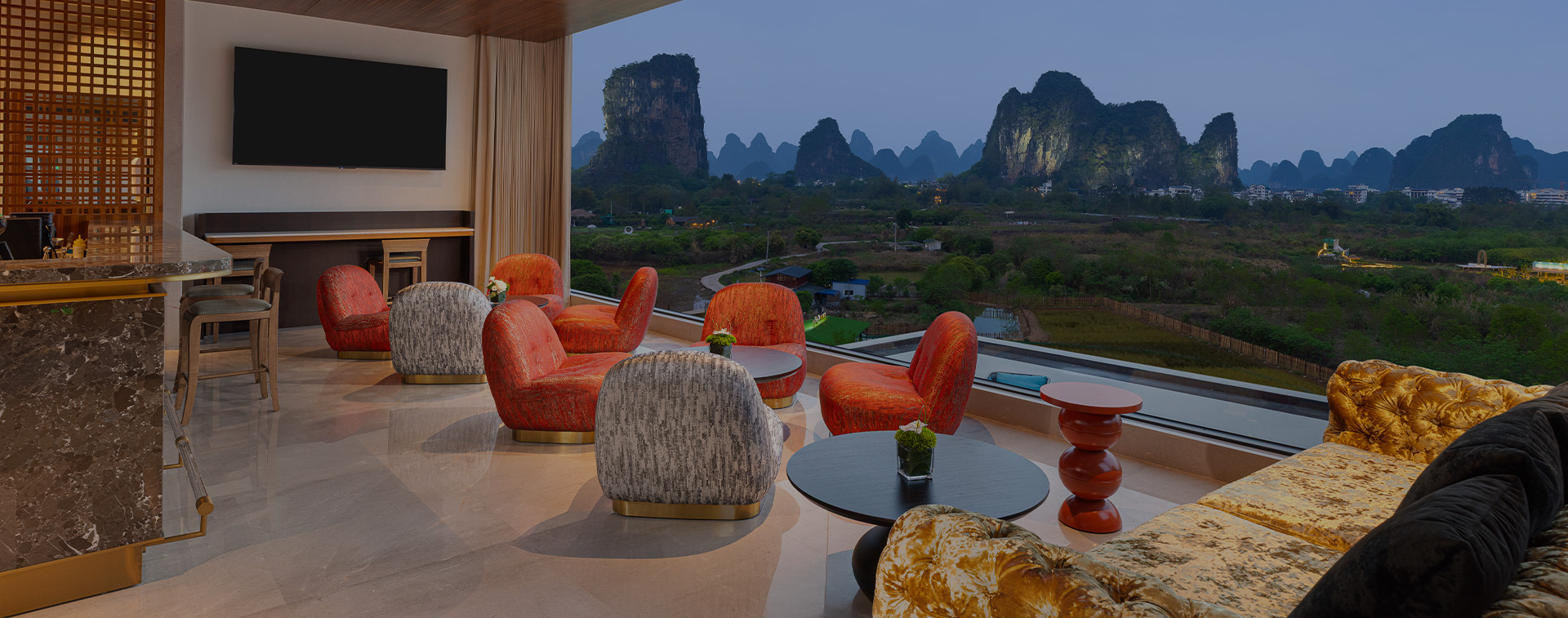
Key Furniture Considerations for Luxury Hotel Guest Rooms
Luxury hotel guest rooms are expected to do more than provide a place to sleep. They need to create comfort, reflect brand identity, support daily guest behavior, and perform well over time. Furniture plays a central role in achieving these goals. From the bed and headboard to the wardrobe, desk, seating, and storage elements, each item contributes to how the room looks, feels, and functions.
One of the most important considerations in luxury hotel guest room furniture is comfort. The guest room is where visitors spend the most private and uninterrupted time, so comfort has a direct effect on satisfaction. Beds need proper support, proportions, and visual balance. Seating should feel comfortable for reading, resting, or short work sessions. Desks and chairs should support practical use without making the room feel too formal or crowded. In a luxury environment, furniture should help the room feel calm, intuitive, and easy to use.
Layout efficiency is another major consideration. Even larger hotel rooms still require careful space planning. Furniture needs to support circulation, luggage placement, storage access, and visual openness. A bedside table that is too large, a desk that interrupts movement, or a wardrobe that feels oversized can reduce the quality of the room. Good guest room furniture should support the rhythm of how guests actually move through the space. That includes sleeping, unpacking, working, relaxing, and getting ready to leave.
Durability is equally important. Luxury hotel rooms may look calm and elegant, but their furniture works hard. Beds, bedside units, desk surfaces, wardrobe doors, and upholstered seating all experience frequent use. This makes structural quality, edge treatment, hardware choice, and finish durability essential. Surface materials need to withstand cleaning and repeated handling. Upholstery should balance softness with long-term resistance. Good guest room furniture is designed not only for the opening photos, but for years of real hospitality use.
Storage design also deserves special attention. Guests expect hotel rooms to feel tidy and functional. Wardrobes, open shelves, luggage benches, drawers, and bedside units all contribute to that experience. Storage needs to be practical without becoming visually heavy. In luxury projects, furniture often works best when storage is integrated cleanly into the overall room design. This allows the space to feel organized while maintaining a more refined appearance.
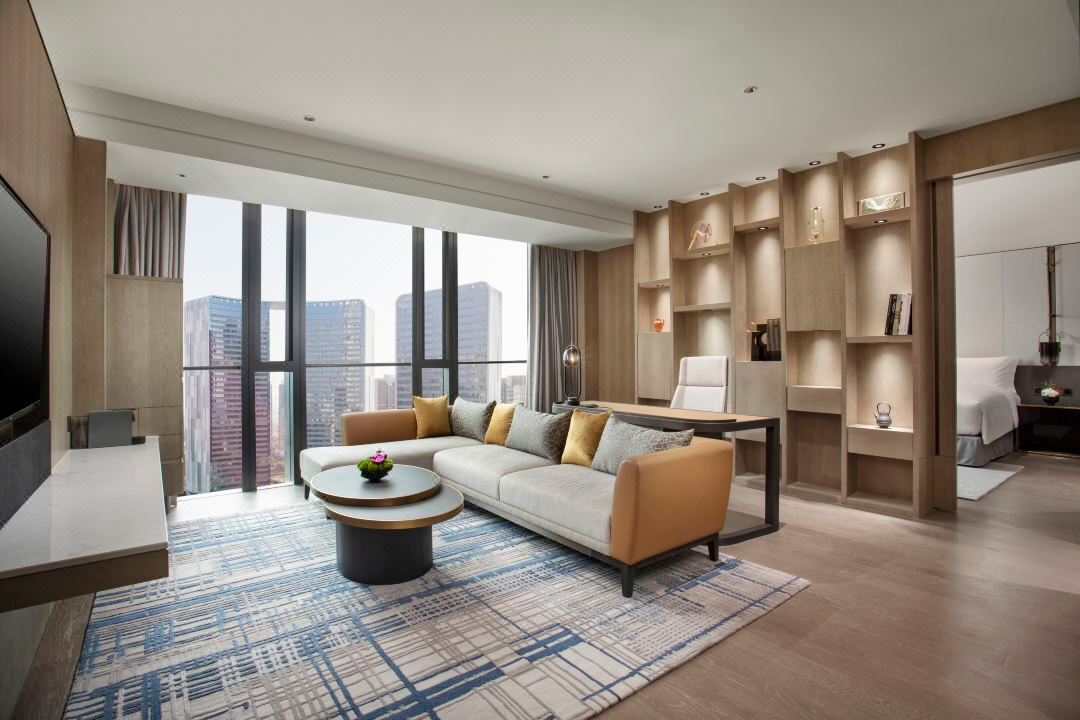
Another key factor is visual coordination. Guest room furniture should not be viewed as separate objects. The headboard, desk, nightstands, lounge chair, and wardrobe should feel like part of one interior composition. This is especially important in luxury hotel interiors, where the quality of the experience often comes from the relationship between elements rather than any single statement piece. Consistent finishes, balanced proportions, and thoughtful material transitions help create that effect.
Materials matter for both function and atmosphere. Wood veneer, upholstery, metal details, stone accents, and laminate finishes all influence the room’s visual tone and tactile experience. Material selection should align with the brand identity of the hotel, but also with maintenance realities. Some projects may prioritize warmer and more residential textures. Others may prefer cleaner, more restrained contemporary finishes. In either case, the material palette should support both appearance and practical use.
Safety is another important consideration that is sometimes overlooked in guest room design. Furniture edges, structural stability, hardware reliability, and fixed element coordination all affect how safe the room feels in use. This is especially relevant in luxury hospitality, where guest expectations are high and visual quality must work together with practical reliability. Safe furniture design should feel natural, not visibly defensive, but it should still be present in every detail.
Guest room furniture should also support technology and changing guest habits. Today’s hotel guests often expect integrated charging access, practical desk use, bedside convenience, and more flexible furniture arrangements. A guest room that looks attractive but does not support these habits can feel outdated. Luxury today often includes simplicity, usability, and subtle integration of function.
Ultimately, luxury hotel guest room furniture should balance comfort, durability, coordination, and identity. It should help the room feel visually refined without losing practical value. For hotel developers, designers, and procurement teams, choosing the right furniture approach means thinking beyond individual pieces and focusing on how the room performs as a complete guest environment.