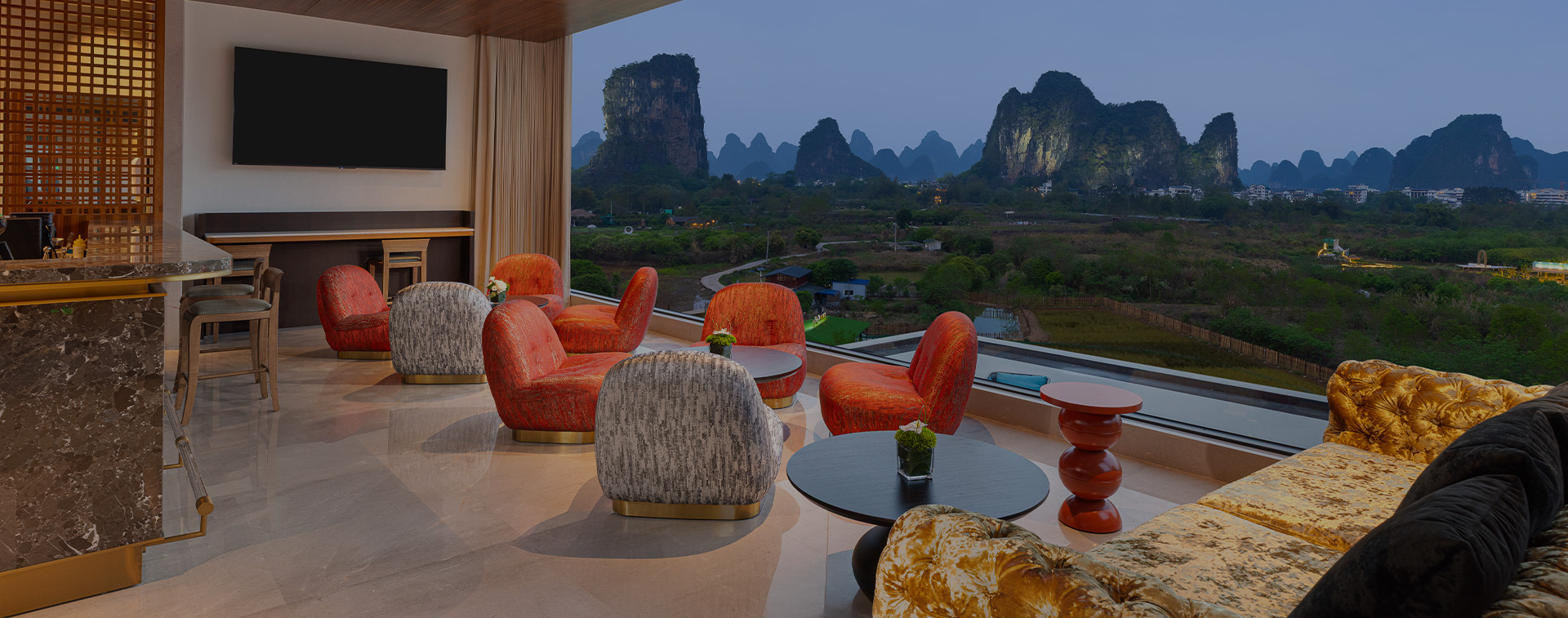
How to Choose the Right Hotel Furniture Manufacturer for Project Success
Choosing the right hotel furniture manufacturer has a direct impact on project quality, schedule control, interior consistency, and long-term operational performance. For hotel owners, purchasing managers, interior designers, and contractors, furniture is not simply a finishing layer. It is part of the guest experience, part of the brand image, and part of daily hotel operations.
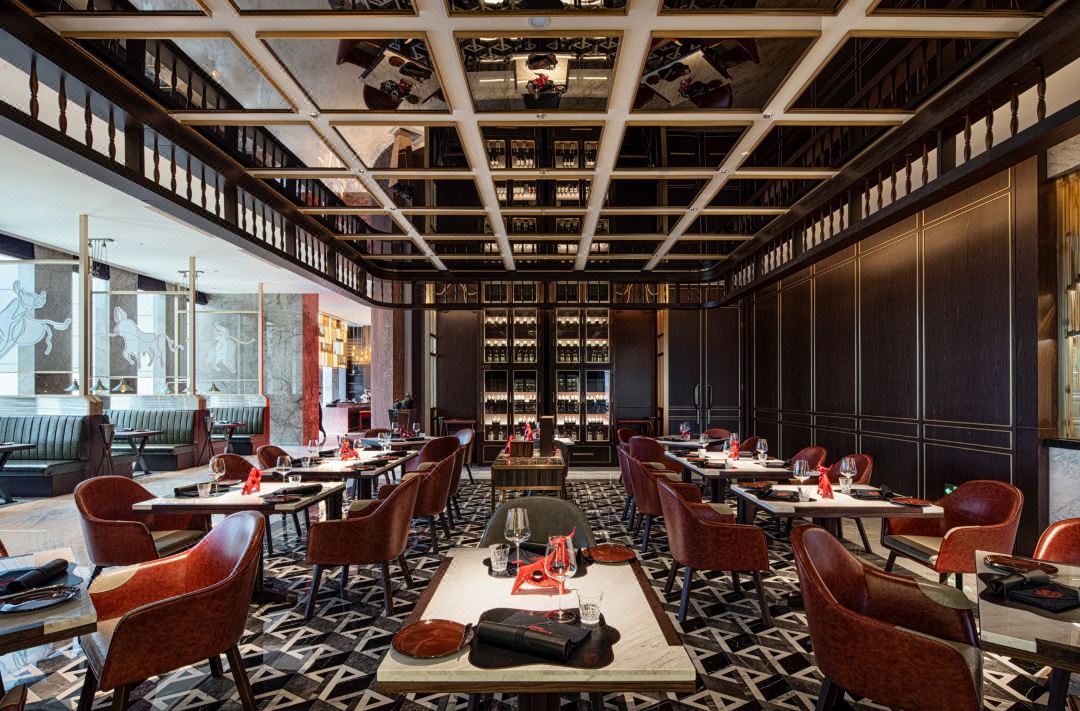
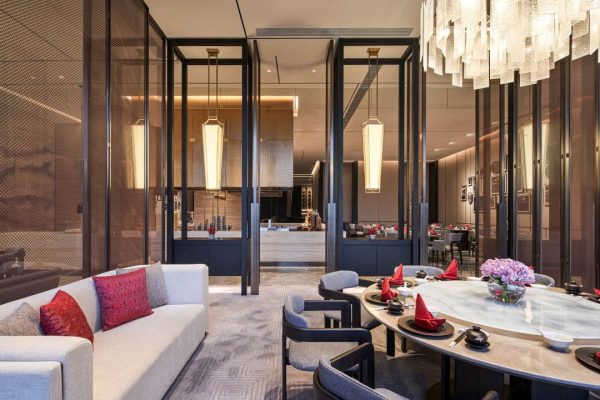
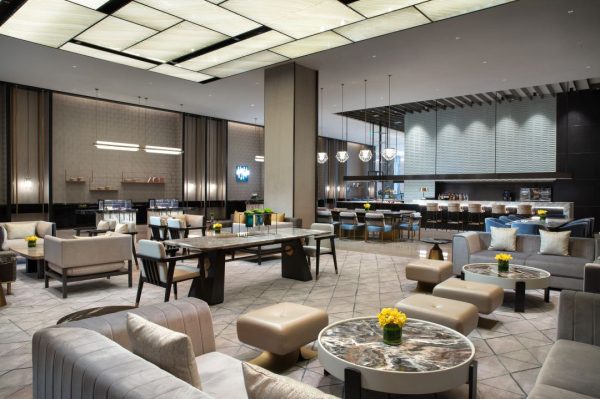
A reliable hotel furniture manufacturer should first understand the difference between residential furniture and hospitality furniture. Hotel furniture is used more frequently, maintained more often, and exposed to a wider range of users. Guestroom furniture, restaurant furniture, and lobby furniture all need to perform well under continuous use. This means that durability, structural stability, edge treatment, material selection, and practicality matter just as much as appearance.
Manufacturing capability is one of the first factors to examine. A strong hotel furniture supplier should have organized production, a clear workflow, and the ability to support project-based orders. This is especially important for hospitality projects that involve multiple furniture categories and coordinated delivery schedules. A manufacturer with stable capacity can better handle large-volume orders, repeat items, sample confirmation, and phased delivery. For overseas buyers, this also means lower communication risk and better control over production timelines.
Customization capability is equally important. Most hotel projects are not built around off-the-shelf furniture. They require custom hotel furniture that matches room layouts, finishes, brand standards, and operational needs. A good manufacturer should be able to support customization in dimensions, materials, finishes, fabrics, colors, and functional details. This allows the furniture package to work with the interior design concept while also responding to practical needs such as guest comfort, cleaning convenience, and long-term maintenance.
Another key factor is project coordination. A professional hospitality furniture manufacturer should not only produce furniture, but also support the full project process. This often includes drawing review, design coordination, material confirmation, sample development, production follow-up, quality inspection, packaging, delivery planning, and installation support. These steps help reduce errors, improve communication efficiency, and create a smoother path from concept to completion.
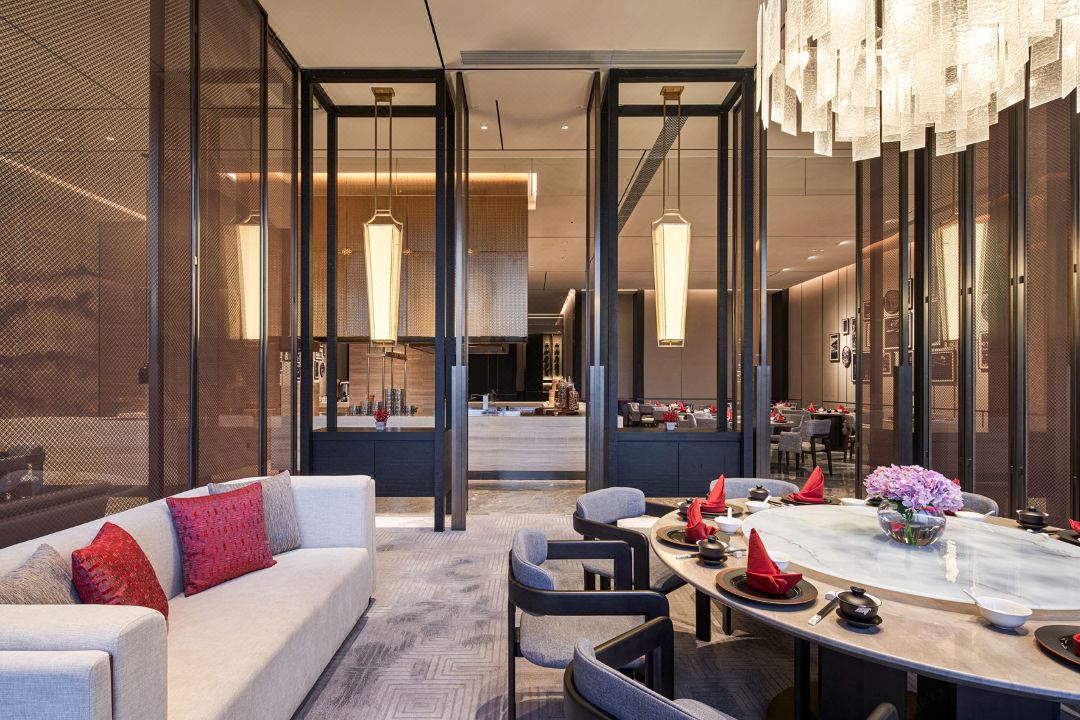
Experience in hotel projects is another strong indicator of reliability. A manufacturer that has worked on luxury hotel furniture, boutique hotel furniture, resort furniture, or serviced apartment furniture is more likely to understand the standards and pressures of hospitality projects. This includes practical issues such as how furniture performs in daily cleaning, how surfaces hold up over time, how seating feels in real use, and how public area furniture contributes to spatial atmosphere. Real project experience also helps a supplier anticipate common issues before they affect the schedule.
Quality control should also be examined carefully. Furniture quality is not only about visual finish. It also includes structural consistency, assembly precision, comfort, safe detailing, and material reliability. A qualified manufacturer should have a clear quality control process throughout production, not only at the end. Buyers should look for signs of organized inspection, process control, and standard management. Product quality affects guest satisfaction, maintenance costs, and the perceived value of the hotel environment over time.
Showroom and sample presentation can also help buyers evaluate a supplier more accurately. A well-organized showroom provides a clearer understanding of design style, construction quality, material use, and furniture coordination across different hospitality spaces. It also reflects how the manufacturer presents its products and understands full-space solutions rather than isolated items.
Communication is often underestimated, but it plays a major role in project success. A strong manufacturer should respond clearly, understand project requirements quickly, and communicate professionally about technical details, lead times, and customization needs. For international projects, clear communication becomes even more important because it affects drawing confirmation, sample approval, and production decisions.
Finally, buyers should think beyond price alone. Competitive pricing matters, but hotel furniture is part of a long-term commercial environment. Low-cost products that create delays, inconsistent quality, or early maintenance issues often generate higher real costs later. A better manufacturing partner helps reduce risk across the project, from early development to final delivery.
In today’s hospitality market, choosing a hotel furniture manufacturer means choosing a long-term project partner. The best suppliers combine manufacturing strength, customization capability, quality control, and practical understanding of hotel use. For hotel furniture projects that need coordinated design, stable production, and dependable delivery, working with the right manufacturer creates value far beyond the purchase order itself.