Hospitality Furniture Trends Shaping Premium Interior Projects
Hospitality furniture continues to evolve alongside changes in guest expectations, hotel branding, and the broader design direction of premium interiors. Today’s hotel, clubhouse, villa, and serviced apartment projects are no longer focused only on visual luxury. They also place greater value on comfort, usability, spatial coordination, and long-term performance. These shifts are influencing how furniture is selected, customized, and integrated into the project environment.
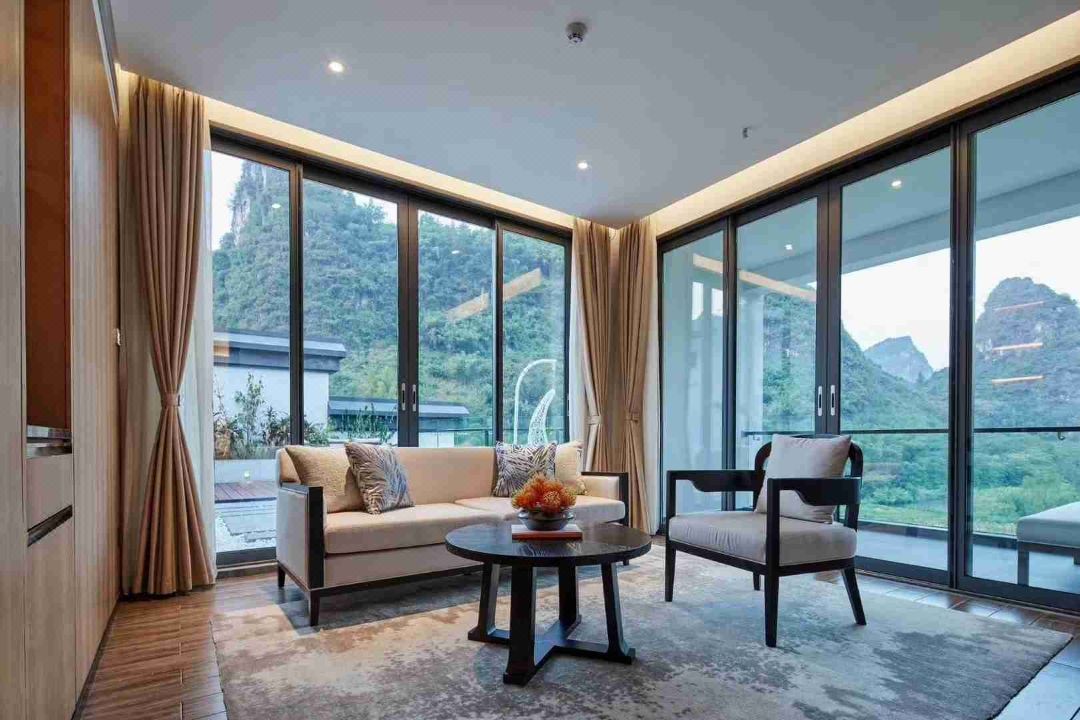
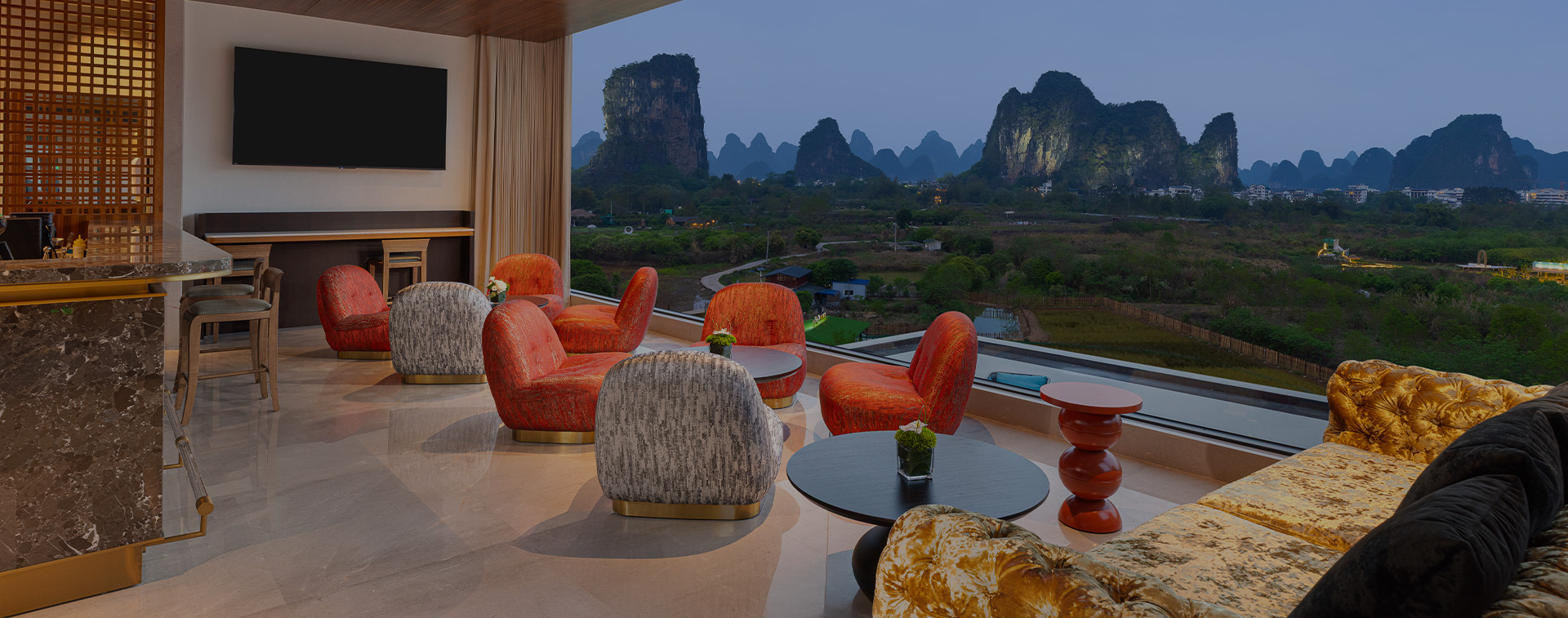
One major trend is the move toward more residential-style comfort in hospitality spaces. Guests increasingly expect hotel rooms, lounges, and public areas to feel welcoming and lived-in rather than overly formal. This does not mean reducing quality or design refinement. It means creating spaces that feel easier to use and more naturally comfortable. Softer seating forms, warmer material palettes, more intuitive room layouts, and furniture that supports longer stays all reflect this direction.
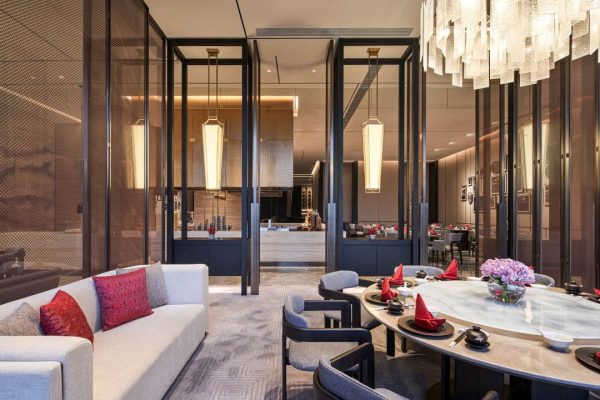
Another trend is stronger visual consistency across different areas of a project. In the past, guestrooms, restaurants, lobbies, and lounges were sometimes treated more separately in terms of furniture language. Today, many premium hospitality projects aim for a clearer interior identity throughout the full property. Furniture plays a major role in supporting that identity. Coordinated finishes, balanced proportions, recurring shapes, and complementary material use help connect the entire guest experience.
Customization is also becoming more important. Standard furniture products are often no longer enough for premium hospitality environments. Designers and developers want furniture that fits their exact layout, brand positioning, and operational priorities. As a result, custom hotel furniture is increasingly seen as a standard part of the project process. Customized dimensions, finish options, upholstery choices, and functional adjustments allow furniture to better support the project concept while improving practicality in use.
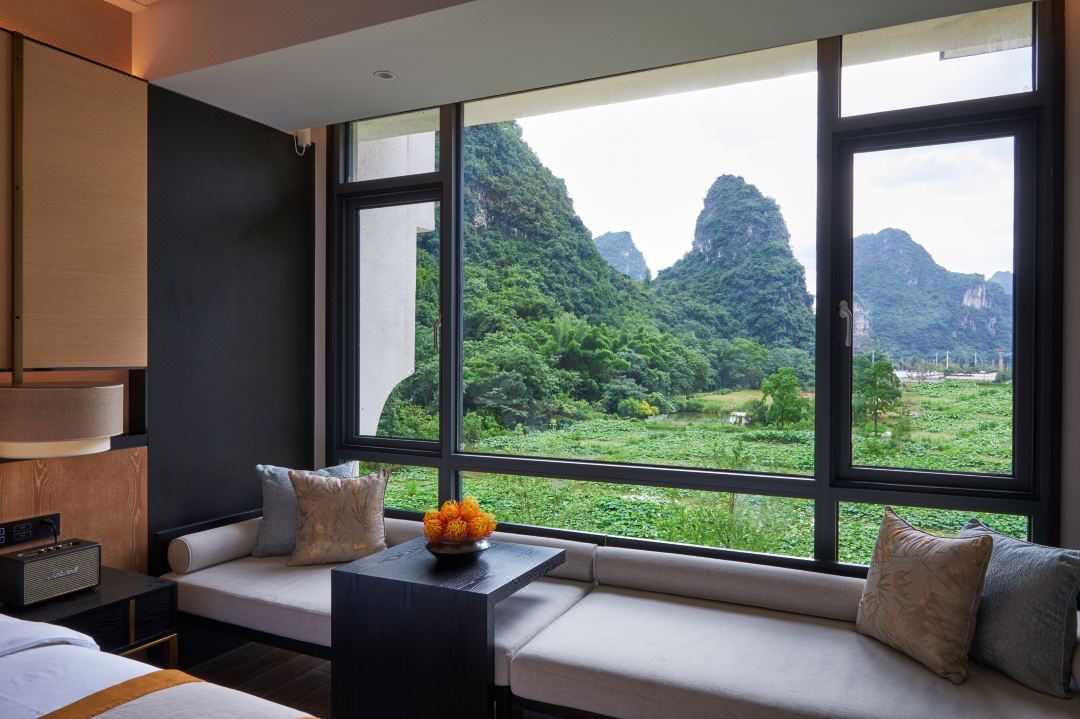
Durability continues to be a critical trend, especially as hotel operators focus more on long-term maintenance efficiency. Premium interiors must still function under constant use, cleaning, and handling. This has increased attention on construction methods, surface materials, hardware, and finish performance. Buyers are now more likely to ask how furniture will age, how easily it can be maintained, and whether it can hold up under real hospitality conditions without losing visual quality too quickly.
Sustainability is another growing influence on hospitality furniture decisions. While project priorities vary by market, more clients are paying attention to environmentally responsible materials, production management, and longer product life cycles. Sustainable thinking is no longer only about labels. It is also about selecting furniture that performs well, lasts longer, and reduces the need for early replacement. Material responsibility and practical longevity are becoming part of the same conversation.
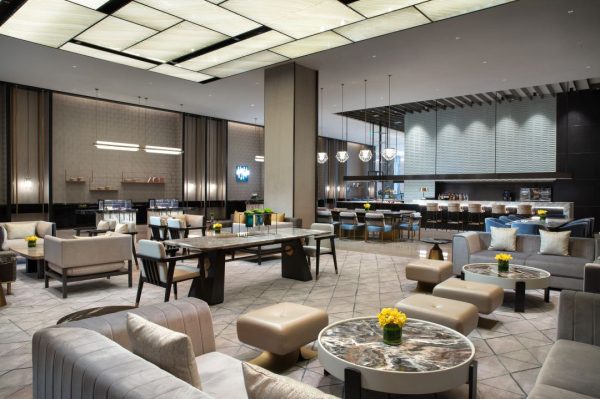
Flexible space use is also shaping furniture design. In premium projects, especially mixed-use developments, clubhouses, and serviced apartments, spaces often need to support multiple functions. A lounge may serve as a casual meeting area. A restaurant may host different guest types across the day. Public area furniture is increasingly expected to support this flexibility through modular thinking, adaptable layouts, and stronger usability without losing visual clarity.
Another important trend is the integration of subtle operational practicality into the design. Hospitality furniture is now more often evaluated not only by designers, but also by operators, maintenance teams, and procurement managers. This means furniture must respond to cleaning access, replacement practicality, movement, storage support, and overall ease of use. Premium projects increasingly value furniture that looks refined while still supporting the realities of daily operation.
There is also a growing preference for material depth and tactile richness rather than overly decorative expression. Wood textures, stone-inspired finishes, layered upholstery, and carefully balanced metal details are often preferred over more aggressive visual statements. This helps premium interiors feel calm, mature, and enduring. In many cases, the goal is not to impress through excess, but to create a stronger sense of quality through restraint and coordination.
Overall, hospitality furniture trends are moving toward a more complete balance between aesthetics, comfort, durability, and practicality. Premium projects now demand furniture that does more than fill a space. It must support brand image, improve guest experience, and perform well over time. For designers, developers, and hospitality buyers, understanding these trends can help guide better project decisions and create interiors that feel more relevant, refined, and enduring.